
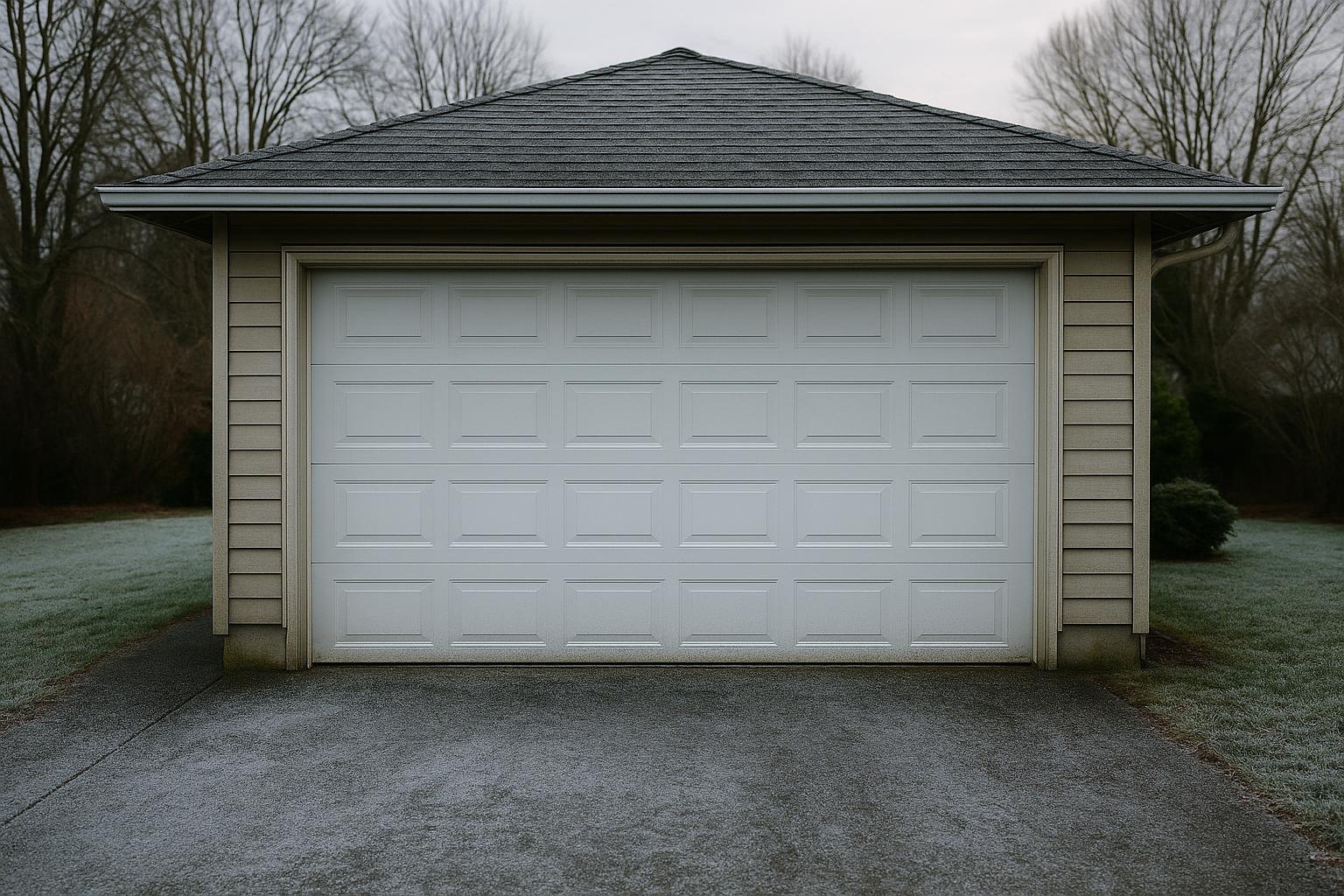
Why Cold Weather Causes Garage Door Problems
If you've ever pressed your garage door opener on a freezing Sammamish morning and nothing happened — or the door barely moved — you're not alone. Cold weather is one of the most common culprits behind garage door malfunctions, and living in the Pacific Northwest means dealing with damp, chilly conditions for several months each year.
Understanding why your garage door struggles in the cold can help you prevent problems before they leave you stuck in your driveway on the way to work. Here's a look at the most common cold-weather garage door issues and what you can do about each one.
The Weatherstrip Is Frozen to the Ground
This is the number one reason garage doors refuse to open during cold snaps. The rubber weatherstrip along the bottom of your door can freeze to the concrete floor of your garage or driveway when temperatures dip below freezing, especially after rain or snowmelt.
When you hit the opener button, the motor strains against the frozen seal. In some cases, the opener's safety features will prevent the door from moving at all to avoid damaging the system.
How to Fix It
- Never force the door open. Yanking on the door or repeatedly hitting the opener button can tear the weatherstrip, damage the bottom panel, or burn out your opener motor.
- Use a heat gun or hair dryer to gently warm the area where the weatherstrip meets the ground.
- Pour warm (not boiling) water along the base of the door to melt the ice.
- Once the door is free, wipe the weatherstrip dry and apply a thin coat of silicone-based lubricant to prevent refreezing.
Metal Parts Contract in the Cold
Garage doors rely on a system of metal tracks, springs, rollers, and hinges. When temperatures drop, metal contracts slightly. This contraction can cause tracks to become misaligned, rollers to bind, and springs to lose some of their tension.
You might notice the door moving unevenly, making new sounds, or requiring more force to open and close. In Sammamish, where overnight temperatures can hover around freezing from November through March, this kind of wear adds up over time.
How to Fix It
- Inspect the tracks visually for gaps or misalignment. If a track has shifted, contact a professional to realign it safely.
- Apply a garage door-specific lubricant (silicone or lithium-based) to the springs, rollers, hinges, and tracks. Avoid WD-40, which can attract dirt and gum up the works over time.
- If your springs feel weak or your door seems heavier than usual, have a technician check the spring tension. Cold weather can accelerate spring fatigue, especially on older systems.
Your Garage Door Opener Loses Power or Sensitivity
Cold weather can affect your garage door opener in a few ways. If your garage isn't heated or insulated, the opener motor may struggle to generate enough power to lift the door. Older openers are especially vulnerable to this.
Additionally, the opener's force and travel limit settings can be affected by temperature changes. A door that closed perfectly in September might not reach the floor in January because the cold has slightly altered the dimensions of the door and hardware.
How to Fix It
- Check your opener's manual for instructions on adjusting the force and travel limit settings. Small adjustments can make a big difference.
- If your opener is more than 10-15 years old and struggles every winter, it may be time to consider a replacement. Modern openers are more powerful, more efficient, and better equipped to handle temperature fluctuations.
- Make sure the opener's light bulb (if applicable) is rated for cold temperatures. Standard bulbs can fail in unheated garages, leaving you without the convenience of automatic lighting.
Thickened Lubricant Slows Everything Down
The grease and lubricant on your garage door's moving parts can thicken in cold weather, creating resistance throughout the system. You might hear the door groaning or notice it moving more slowly than usual.
How to Fix It
- Clean off old, thickened grease with a rag and reapply a fresh coat of cold-weather-appropriate lubricant.
- Focus on the springs, roller bearings, hinges, and the lock mechanism.
- Make lubricating your garage door part of your fall home maintenance routine so you're prepared before the first freeze hits.
Remote Controls and Keypads Malfunction
If your garage door opener remote or exterior keypad stops working in the cold, the issue might be simpler than you think. Cold temperatures drain batteries faster, and moisture can interfere with electronic connections in wall-mounted keypads.
How to Fix It
- Replace the batteries in your remote and keypad at the start of every winter season.
- If your keypad is exposed to rain or moisture, consider installing a protective cover.
- Bring your remote inside overnight instead of leaving it in a cold car, where battery performance drops significantly.
When to Call a Professional
Some cold-weather garage door problems are easy to handle on your own. But others — especially those involving springs, cables, or track alignment — require professional expertise. Garage door springs are under extreme tension and can cause serious injury if handled improperly.
You should call a garage door technician if:
- Your door is visibly off-track or hanging unevenly
- A spring appears stretched, damaged, or broken
- The door won't open at all despite troubleshooting
- You hear loud snapping or popping sounds from the hardware
- The opener motor runs but the door doesn't move
At Sammamish Door & Opener, we see a spike in service calls every winter from homeowners across Sammamish, Issaquah, Redmond, and the surrounding Eastside communities dealing with exactly these issues. Our technicians can diagnose the problem quickly and get your door working reliably again — even in the worst weather.
Prevent Cold-Weather Problems Before They Start
The best way to avoid getting stuck with a frozen or malfunctioning garage door is to schedule preventive maintenance before winter arrives. A professional tune-up typically includes lubricating all moving parts, inspecting springs and cables for wear, testing the opener's force and safety settings, and checking the weatherstrip for damage.
Taking these steps in the fall can save you from an inconvenient — and potentially expensive — breakdown on the coldest morning of the year. If it's been a while since your garage door had a checkup, give us a call. We're happy to help Sammamish homeowners keep their garage doors running smoothly all winter long.