
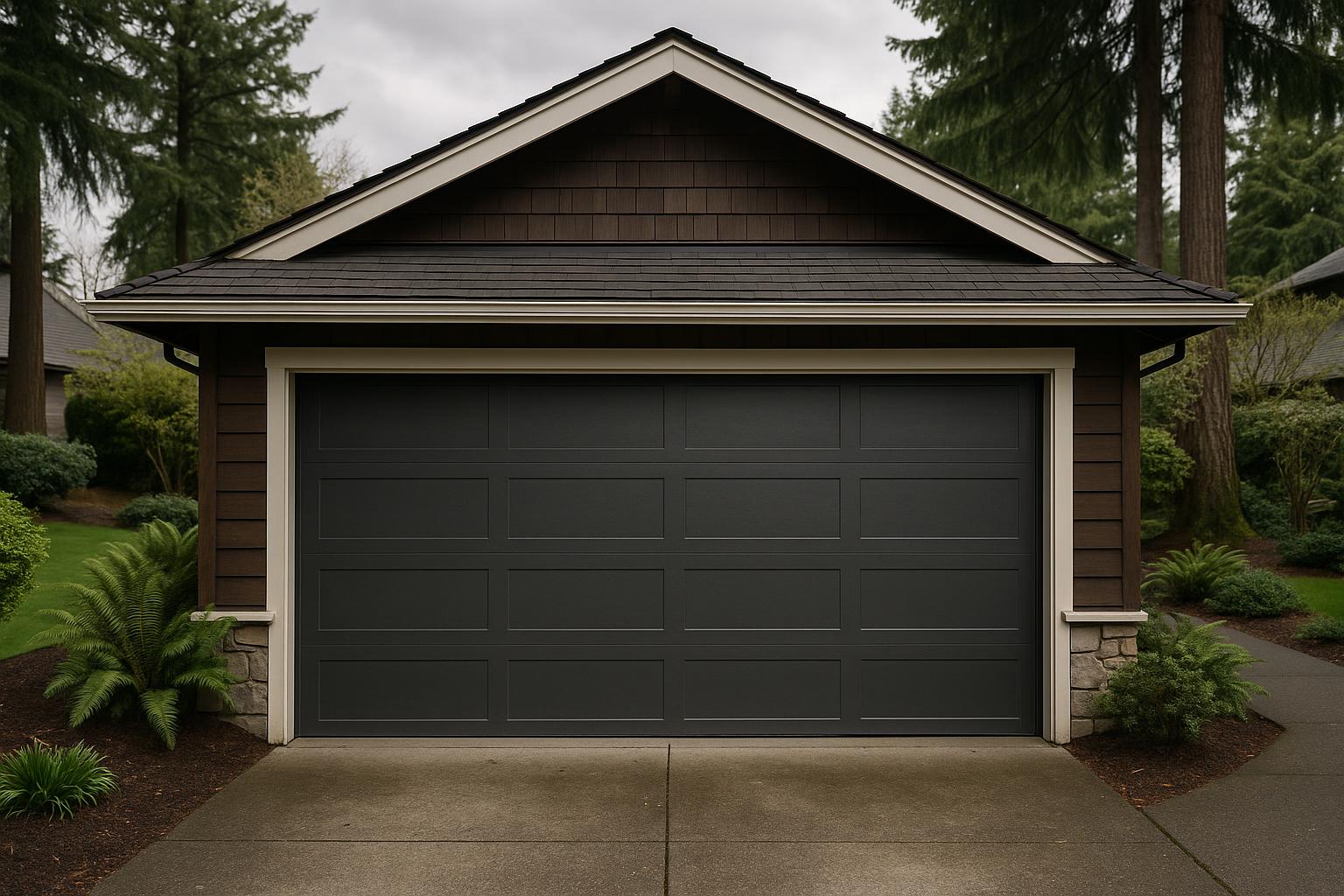
Your Garage Door Has a Lifespan — Do You Know Where It Stands?
Your garage door is one of the largest moving parts of your home, and it works hard every single day. Most homeowners in Sammamish use their garage door as the primary entry point to their house, opening and closing it multiple times a day without giving it much thought. But like any major home component, your garage door has a finite lifespan — and knowing when it's nearing the end can save you from unexpected failures, security risks, and costly emergency repairs.
So how long does a garage door actually last, and how do you know when it's time to start shopping for a replacement? Let's break it down.
Average Lifespan of a Garage Door
A well-maintained garage door typically lasts between 15 and 30 years, depending on the material, usage, climate exposure, and how consistently it's been maintained. Here's a general breakdown by material:
- Steel garage doors: 20–30 years. Steel is one of the most durable and popular options, especially for Pacific Northwest homes that deal with moisture and temperature swings.
- Wood garage doors: 15–25 years. Beautiful but higher maintenance. Wood is more susceptible to moisture damage, warping, and rot — all concerns in our damp Sammamish climate.
- Aluminum garage doors: 15–20 years. Lightweight and rust-resistant, but more prone to dents and cosmetic damage over time.
- Fiberglass or vinyl garage doors: 15–20 years. These resist denting and moisture but can become brittle or discolored with prolonged UV exposure.
Keep in mind that these are estimates. A garage door that's been neglected or exposed to harsh conditions without regular maintenance may fail well before these ranges, while a door that's been properly cared for can exceed them.
What Affects Your Garage Door's Lifespan?
Several factors determine how long your specific garage door will hold up. Understanding them can help you get the most life out of your current door — or help you make a smarter choice when it's time to replace it.
Frequency of Use
The average household opens and closes their garage door about 1,500 times per year. If your household has multiple drivers or you use the garage as a workshop, gym, or storage access point, that number can climb significantly. More cycles mean more wear on the door panels, hardware, tracks, and opener.
Climate and Weather Exposure
Living in Sammamish means your garage door faces rain, humidity, occasional freezing temperatures, and seasonal temperature fluctuations. These conditions can accelerate rust on metal components, cause wood to swell or crack, and wear down weatherstripping faster than in drier climates. Homes near the Plateau or in more exposed areas may see even more weather-related wear.
Maintenance History
A garage door that receives annual professional maintenance — including lubrication, hardware tightening, balance checks, and weatherstripping replacement — will consistently outlast one that's been ignored. Skipping maintenance doesn't just shorten the door's life; it can also lead to premature failure of the opener and other connected components.
Quality of Installation
A garage door that was improperly installed from the start will develop problems faster. Misaligned tracks, incorrect spring tension, and poor sealing all contribute to accelerated wear. If your door has had recurring issues since installation, the root cause may be the original workmanship.
7 Signs Your Garage Door Needs to Be Replaced
Not sure whether your aging garage door needs a repair or a full replacement? Here are the key warning signs that suggest it's time for a new door:
- Frequent breakdowns: If you're calling for repairs multiple times a year, the cost of ongoing fixes may exceed the value of the door. At some point, replacement becomes the more economical choice.
- Visible sagging or warping: Disconnect the opener and manually lift the door halfway. If it doesn't stay in place or you notice visible sagging in the panels, the door's structural integrity is compromised.
- Significant rust or rot: Surface rust can sometimes be treated, but deep corrosion on steel doors or rot on wood doors is a sign the material is failing. This affects both appearance and function.
- Increasing energy bills: An old, uninsulated, or poorly sealed garage door lets conditioned air escape and outside air in. If your attached garage feels noticeably colder in winter or hotter in summer, your door may be the culprit.
- Outdated safety features: Garage doors manufactured before 1993 may lack auto-reverse mechanisms and photoelectric sensors, which are now required safety standards. Replacing an older door brings your home up to current safety codes and protects your family.
- Excessive noise despite maintenance: While some noise issues can be resolved with lubrication or hardware adjustments, a door that remains excessively loud after professional servicing may have worn-out panels, rollers, or hinges that aren't worth replacing individually.
- Curb appeal concerns: Your garage door accounts for up to 40% of your home's front-facing appearance. A faded, dented, or outdated door can drag down your property value — an important consideration in Sammamish's competitive real estate market.
Repair vs. Replace: How to Decide
As a general rule of thumb, consider these guidelines when weighing repair against replacement:
- Choose repair if your door is under 15 years old, the issue is isolated (like a single broken panel or worn roller), and the door is otherwise in good condition.
- Choose replacement if your door is over 20 years old, you're facing multiple simultaneous issues, repair costs exceed 50% of a new door's price, or you want to upgrade to a more energy-efficient or modern design.
It's also worth noting that a new garage door is one of the highest-ROI home improvement projects you can undertake. According to Remodeling Magazine's annual Cost vs. Value report, a garage door replacement consistently ranks among the top projects for return on investment at resale.
Choosing the Right Replacement Door for Your Sammamish Home
If you've decided it's time for a new garage door, here are a few things to consider:
- Insulation: Given our cool, damp winters, an insulated door (polyurethane or polystyrene core) is a smart investment for comfort and energy savings.
- Material: Steel doors with a factory-applied finish offer the best combination of durability and low maintenance for the Pacific Northwest climate.
- Style: From traditional raised-panel designs to modern flush panels and carriage-house styles, today's garage doors offer more design options than ever. Choose something that complements your home's architecture.
- Smart features: Many new garage door openers integrate with smartphone apps and smart home systems, giving you remote monitoring and control from anywhere.
Get an Honest Assessment from a Local Expert
If your garage door is showing its age and you're not sure whether to repair or replace, we're here to help. At Sammamish Door & Opener, we provide honest, no-pressure assessments so you can make the best decision for your home and budget. Whether you need a minor repair to buy a few more years or a full replacement with a modern, insulated door, our team handles every project with the quality workmanship our Eastside neighbors have come to expect.
Contact us today to schedule an inspection or request a free estimate on a new garage door installation.